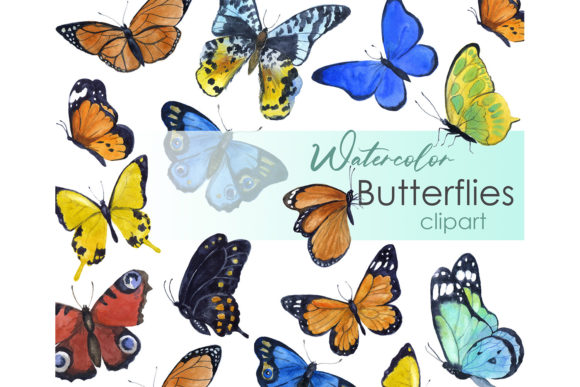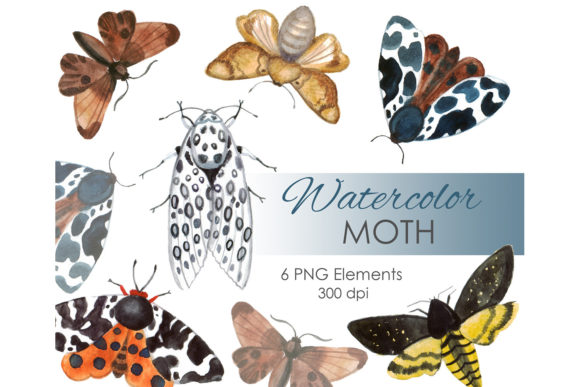
Watercolor Clipart. Moth Boho Butterfly Illustrations
The First Impression: Soft, Ethereal, and Emotionally Resonant
Watercolor Clipart. Moth Boho Butterfly immediately evokes a sense of calm and creativity. The delicate strokes and soft color transitions create a mood that feels both artistic and approachable. This design asset is ideal for brands aiming to connect with audiences who value handmade aesthetics, nature-inspired visuals, or bohemian lifestyles. Its gentle energy makes it suitable for casual branding, lifestyle content, and editorial graphics without appearing unprofessional.
How It Fits Into Real Marketing Projects
Imagine a small business launching a seasonal line of organic skincare products. Watercolor Clipart. Moth Boho Butterfly could serve as a visual anchor in their social media graphics, packaging inserts, and email campaigns. When paired with warm tones and natural textures, the clipart enhances the brand’s storytelling while maintaining a cohesive look across all touchpoints.
In a digital ad campaign, this illustration can act as a subtle background element, drawing attention without overwhelming the main message. For a blog post about self-care routines, the design adds a visual rhythm that complements the content without distracting from it.
Supporting Brand Communication and Audience Perception
Brands that use Watercolor Clipart. Moth Boho Butterfly often see an improvement in audience trust and recognition. The soft, handcrafted feel of the design aligns with values like authenticity, mindfulness, and sustainability—key drivers for many modern consumers. This makes it especially effective for small business branding, where emotional connection plays a vital role in customer loyalty.
When integrated into a content kit or Canva template, the clipart helps maintain visual consistency across multiple platforms. Whether used in Instagram posts, Pinterest pins, or website headers, it reinforces the brand’s identity without requiring constant adjustments.
Practical Applications Across Marketing Channels
Watercolor Clipart. Moth Boho Butterfly excels in brand identity projects, particularly for businesses targeting creative or wellness-focused audiences. In logo design, it can be used as a secondary icon or background element, adding depth without overshadowing the primary mark.
For packaging design, the clipart works well as an accent on product labels or inserts, reinforcing the brand’s aesthetic. In editorial design, it provides a decorative yet professional touch that elevates the overall look of printed or digital publications.
Enhancing Visual Hierarchy and Engagement
This design asset supports stronger first impressions by offering a visually appealing focal point. When used in hero graphics or campaign headers, it captures attention while guiding the viewer’s eye through the content. Its soft lines and muted colors allow it to coexist with other elements without creating visual clutter.
For digital ads, the clipart can be layered behind text or other graphical elements, enhancing the overall composition without competing with the main message. In blog graphics or email banners, it adds a touch of elegance that improves engagement and readability.
Where It Works Best: Creative and Lifestyle Campaigns
Watercolor Clipart. Moth Boho Butterfly shines in branded templates, content bundles, and promotional banners that require a personal, artistic touch. It’s perfect for event flyers, merchandise designs, and sticker sets that aim to resonate with a creative or bohemian audience.
As a decorative brand element, it enhances the visual appeal of digital product visuals, Canva templates, and printable design kits. Its versatility makes it a valuable addition to any design bundle, especially for those focused on lifestyle, fashion, or wellness niches.
Where to Use It Carefully: Formal and Text-Heavy Contexts
While this clipart is ideal for creative and lifestyle branding, it may not suit formal corporate environments. In dense information layouts or low-contrast backgrounds, it can become difficult to read or lose its impact. Small mobile graphics also require careful placement to ensure visibility and clarity.
Overly minimal brands or text-heavy ads may find the design too busy or distracting. In such cases, it’s best to use the clipart sparingly or pair it with simpler elements to maintain balance and professionalism.
Brand Designer Notes: Testing and Integration Tips
Before finalizing Watercolor Clipart. Moth Boho Butterfly in a campaign, test it against the brand’s color palette to ensure harmony. Check how it looks in black and white to confirm its adaptability across different formats.
Place it inside real campaign mockups to evaluate its performance in context. Preview it on mobile screens to ensure it remains legible at smaller sizes. Compare it with competitor visuals to maintain a unique and competitive edge.
Review how it pairs with various font styles—serif, sans serif, script, handwritten, or display fonts. Ensure proper spacing and balance within the design to avoid visual overload. Always confirm commercial licensing before using it in paid campaigns, client work, or business branding.
Conclusion: A Versatile Asset for Creative Marketing
Watercolor Clipart. Moth Boho Butterfly is more than just an illustration—it’s a tool for building emotional connections, enhancing visual hierarchy, and supporting consistent branding. Whether used in social media graphics, packaging design, or editorial layouts, it offers a blend of artistry and practicality that benefits content creators and small business owners alike.
By understanding its strengths and limitations, marketers can leverage this design asset to elevate their campaigns, build trust, and create memorable visuals that resonate with their target audience.